Should You DIY Your Storm Door Installation? Here's What You Need to Know
Should You DIY Your Storm Door Installation? Here's What You Need to Know
Storm door installation is marketed as a DIY-friendly project — and for experienced, handy homeowners with a square, standard door frame, it can be. But there are a number of places where the installation can go wrong, and when it does, the storm door you paid for won't perform the way it should. Here's an honest look at what's involved.
What a Storm Door Installation Actually Requires
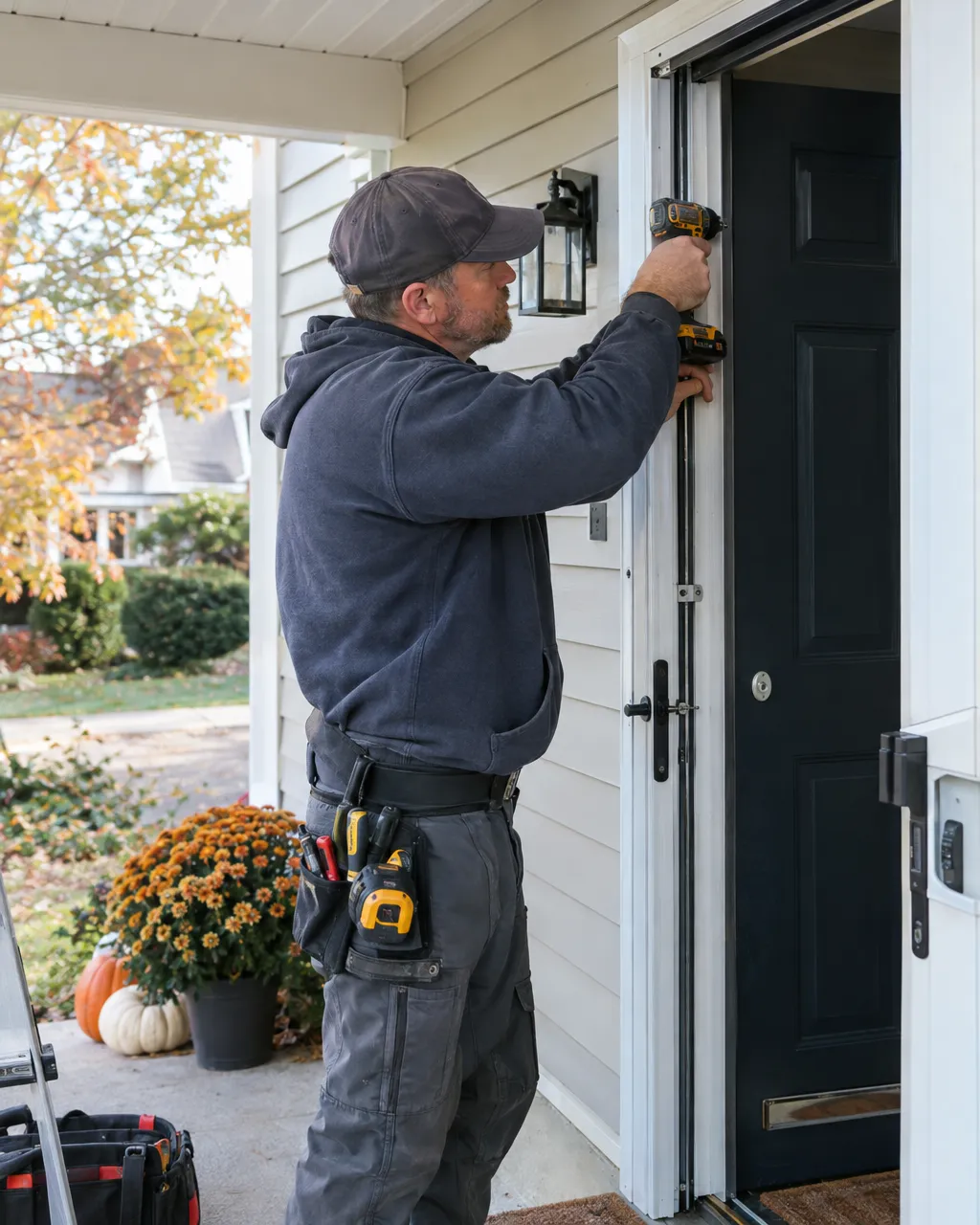
A storm door installation involves attaching a door frame (called a z-bar) to your existing door frame, hanging the door itself, adjusting the door closer, installing the latch and handle hardware, and fitting the weatherstripping for a tight seal on all four sides. Each step requires precision. The door has to be plumb and level, the closer has to be properly tensioned, and the weatherstripping has to contact the frame evenly all the way around.
Where DIY Installations Go Wrong
1. Out-of-Square Door Frames
In many older Ottawa and GTA homes, door frames are not perfectly square. A standard installation assumes a level, square frame. When the frame is off — even slightly — the door may not close flush, the weatherstripping may gap, or the door may swing unevenly. Professional installers recognize and compensate for these variations.
2. Wrong Door Handing
Storm doors are manufactured for a specific hinge side — left or right. Ordering or installing the wrong handing is one of the most common and frustrating DIY mistakes. It typically means returning the door entirely.
3. Door Closer Problems
The door closer controls how fast the door swings shut and how firmly it latches. Improper installation or tension adjustment leads to a door that slams, a door that doesn't fully latch, or one that swings back open in the wind.
4. Weatherstripping Gaps
Even small misalignments during installation can leave gaps in the weatherstripping seal. These gaps let in cold air, moisture, and insects — defeating the primary purpose of having a storm door in the first place.
When DIY Makes Sense
If your door frame is square and true, you're comfortable with basic carpentry tools, and you've carefully measured and ordered the correct door for your opening, a DIY installation is possible. Always follow the manufacturer's instructions precisely and take your time.
When to Call a Professional
If your home is older, your frame is uneven, or you want the confidence that your storm door is sealed and operating correctly from day one, professional installation is the smarter investment. A poor installation can cost more to correct than the installation itself.
Professional Storm Door Installation in Ottawa and the GTA
Mr. Storm Door handles professional storm door installation for homeowners across Ottawa and the Greater Toronto Area. We measure, supply, and install — so your door fits right, seals tight, and operates smoothly from the start.
Visit mrstormdoor.ca to book your installation.
