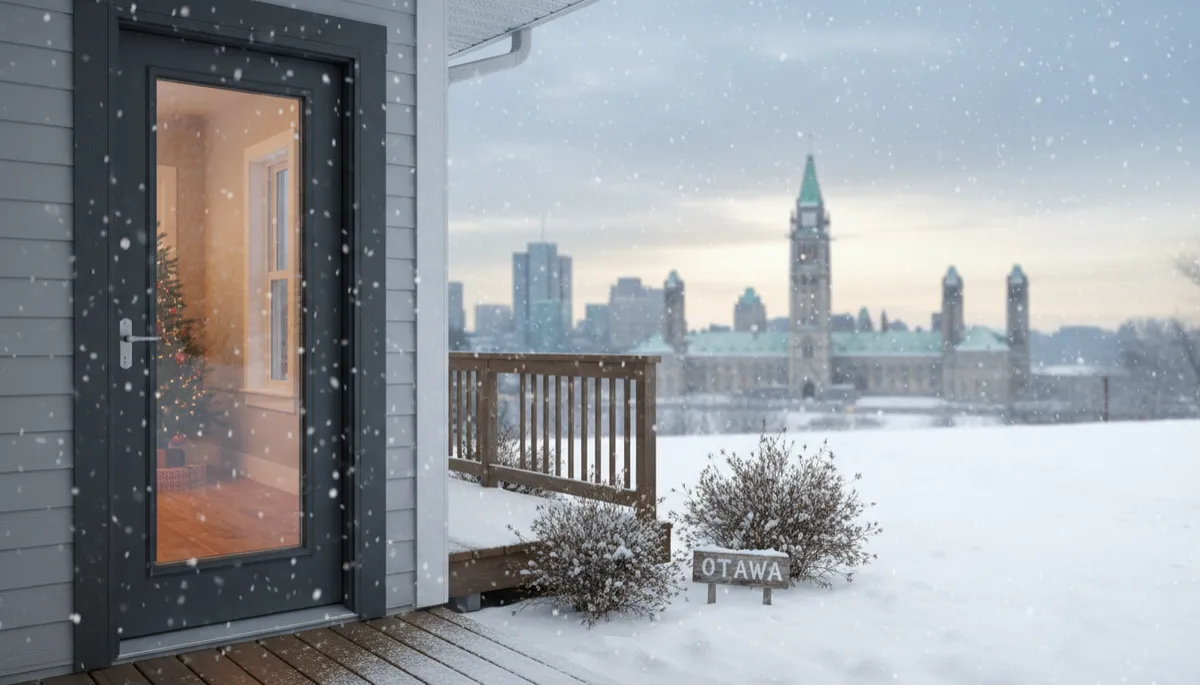
Essential Storm Doors for Ottawa Winters
Home Improvement, Ottawa Winter Prep, Storm Doors
Why Every Ottawa Home Needs a Storm Door Before Winter
If you own a home anywhere in Ottawa—from a century house in the Glebe to a newer build in Barrhaven—adding a storm door before winter hits can make a surprisingly big difference in comfort, energy bills, and curb appeal. Let’s walk through why this simple upgrade is almost a must-have in our famously harsh Canadian winters.
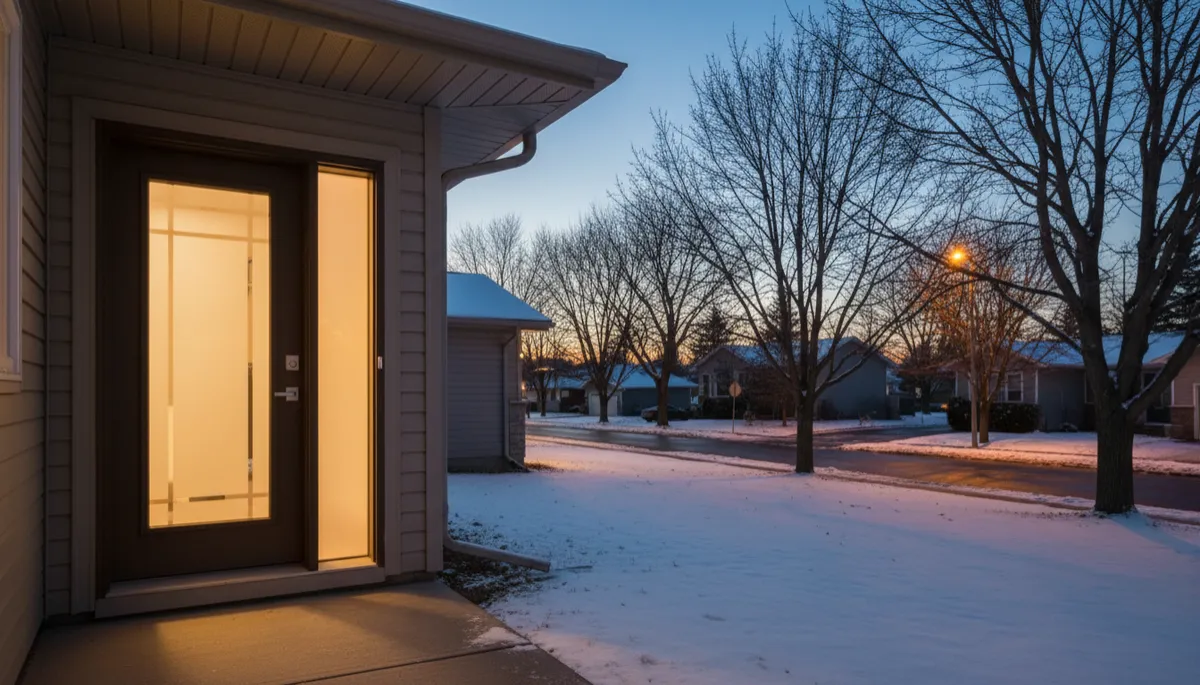
Ottawa Winters Are No Joke—Your Front Door Feels It First
Ottawa homeowners know that winter here is in a different league. Between freezing rain, lake-effect snow, and windchill that can plunge below -30°C, your front entrance takes a beating from November through March—and often well into April. Whether you live in Orleans, Kanata, or right near Parliament Hill, your main door is constantly exposed to blowing snow, ice buildup, and drastic temperature swings that cause materials to expand and contract.
A storm door acts like a winter jacket for your entryway. It creates a protective buffer zone between the outdoors and your main door, helping it last longer and perform better when the Rideau Canal is frozen and the snowbanks along Wellington or Bank Street are piled high.
Extra Insulation When You Need It Most
One of the biggest benefits of a storm door is improved energy efficiency. Even if you already have a solid, well-sealed front door, there is usually still some heat loss around the frame and threshold. When the north wind whips across the Ottawa River or down the Ottawa Valley, those tiny drafts can make your front hallway feel noticeably colder—and drive up your heating bill during peak Hydro Ottawa usage months.
A quality storm door with proper weatherstripping adds an extra insulated layer. The air gap between the storm door and your main door works like the space between double-pane windows, helping to slow heat transfer. You may find that the entryway in your Westboro semi or your townhouse in Riverside South feels warmer, with fewer cold spots around your feet and less temptation to crank the thermostat up another degree or two on those bitter January mornings.
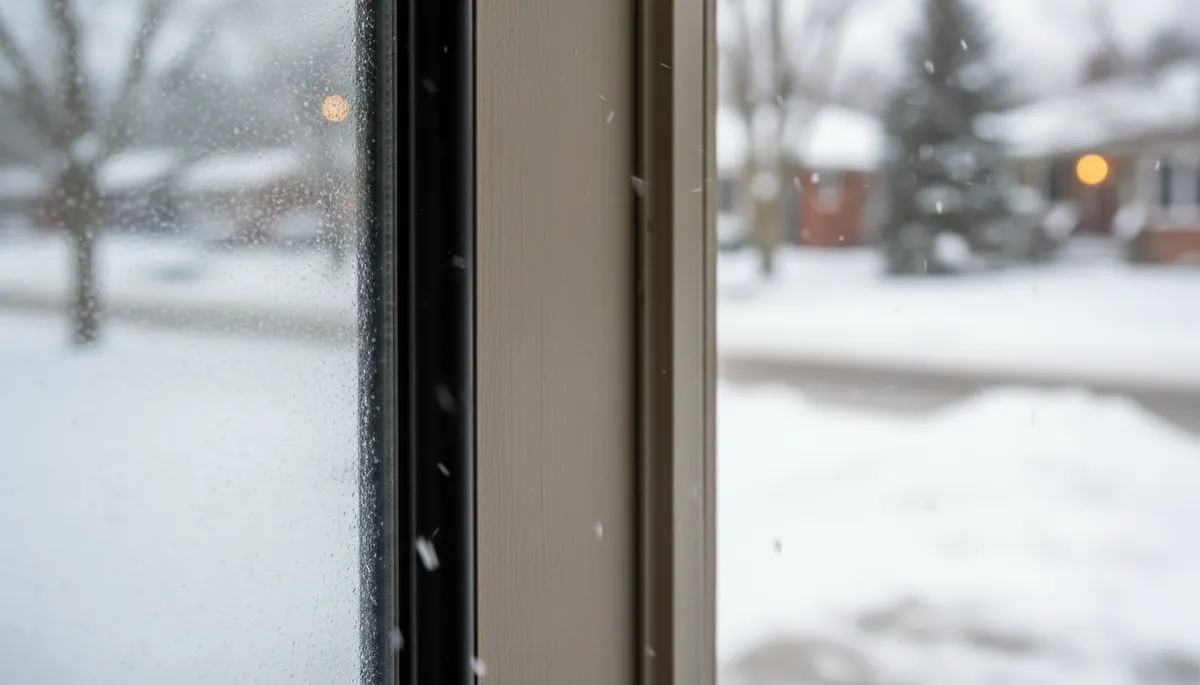
A well-sealed storm door can noticeably reduce drafts and cold spots near your entry.
Shielding Your Main Door From Snow, Ice, and Salt
Think about how often you shovel or blow snow off your front step after a big storm. Every time you clear the walkway in front of your Alta Vista bungalow or your Stittsville two-storey, slush, road salt, and ice are getting kicked up against your main door. Over time, that constant exposure can cause paint to peel, wood to swell, and metal to rust—especially during freeze-thaw cycles that are so common in Ottawa’s late winter and early spring.
A storm door takes the brunt of that abuse. It protects your main door’s finish from harsh de-icing products, driving sleet along the Queensway corridor, and the kind of sideways snow we often see during February blizzards. That means your primary door keeps looking fresh and functioning properly for years longer, which is especially important if you have invested in a high-end wood or fiberglass entry system.
More Natural Light Without Losing Warmth
Ottawa’s winter days are short and often overcast, so any extra natural light is a welcome bonus. With a full-glass storm door, you can open your solid main door during the day and still keep the cold air out. This works especially well in older homes in areas like Sandy Hill or Hintonburg, where front entrances can otherwise feel dark and closed in once the clocks go back in November.
Many modern storm doors also come with interchangeable screens or built-in retractable screens. That means when spring finally arrives and the tulips are blooming at Commissioners Park, you can switch from winter glass to a screen and enjoy a cross-breeze without worrying about bugs, while still keeping kids and pets safely inside.
Added Security and Peace of Mind
Another benefit Ottawa homeowners appreciate is the extra security a storm door provides. Many models include multi-point locking systems or heavy-duty hardware, creating a second locked barrier between the street and your home. Whether you live in a busy downtown neighbourhood or a quieter suburb like Cumberland or Manotick, that extra layer can be reassuring—especially if you travel south for part of the winter or spend weekends at a cottage in the Valley.
A locked storm door also lets you safely open your main door to speak with delivery drivers or visitors on those icy days when everyone seems to be dropping parcels off at once.
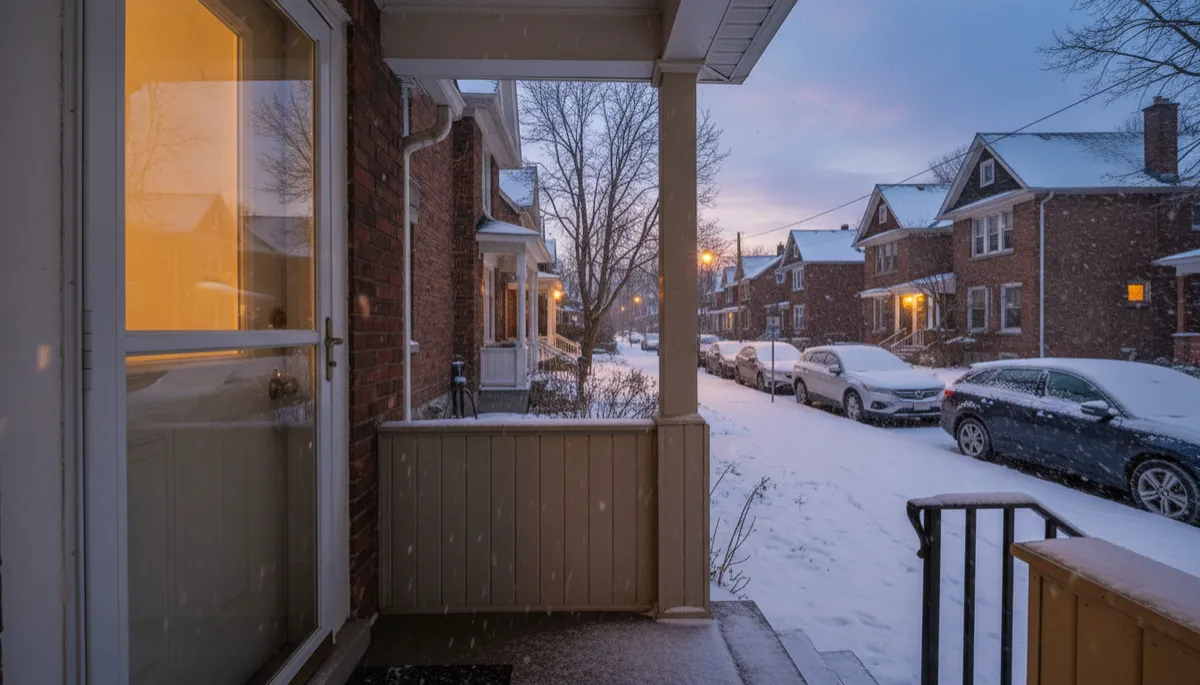
A secure storm door adds a second barrier without sacrificing light or visibility.
Boosting Curb Appeal in Every Ottawa Neighbourhood
With so many neutral, modern designs available, a storm door can actually enhance the look of your home. Whether your place backs onto the Greenbelt or sits on a quiet street in Nepean, a sleek, well-fitted storm door frames your entrance and gives it a more finished appearance. Clear glass showcases a beautiful main door, while subtle hardware and clean lines complement brick, siding, or stone facades common across Ottawa’s neighbourhoods.
If you are thinking about selling in the next few years, small upgrades like this can help your home stand out in Ottawa’s competitive real estate market—especially when buyers are touring properties in the dead of winter and noticing which homes feel warm and welcoming the moment they step inside.
When Is the Best Time to Install a Storm Door in Ottawa?
Ideally, you will want your storm door in place before the first serious cold snap. Early fall—September and October—is perfect, while the weather is still mild and installers are not yet booked solid with last-minute winter prep. That said, if you are reading this during a snowy February in Vanier or Beacon Hill, it is still worth installing one; you will benefit immediately and be well ahead of the game for next winter.
A Small Upgrade With Big Winter Comfort Payoffs
For Ottawa homeowners, a storm door is one of those simple, practical upgrades that pays off in multiple ways. You get a warmer entryway when the wind howls off the Ottawa River, better protection for your main door from snow and salt, a bit of extra security, and a brighter, more inviting front hall during our long, grey winter months.
If you are making a winter prep checklist—alongside furnace tune-ups, sealing driveway cracks, and stocking up on ice melt—consider adding “install a storm door” near the top. Your future self, standing in a cozy, draft-free hallway while the snow piles up outside, will be very glad you did.
