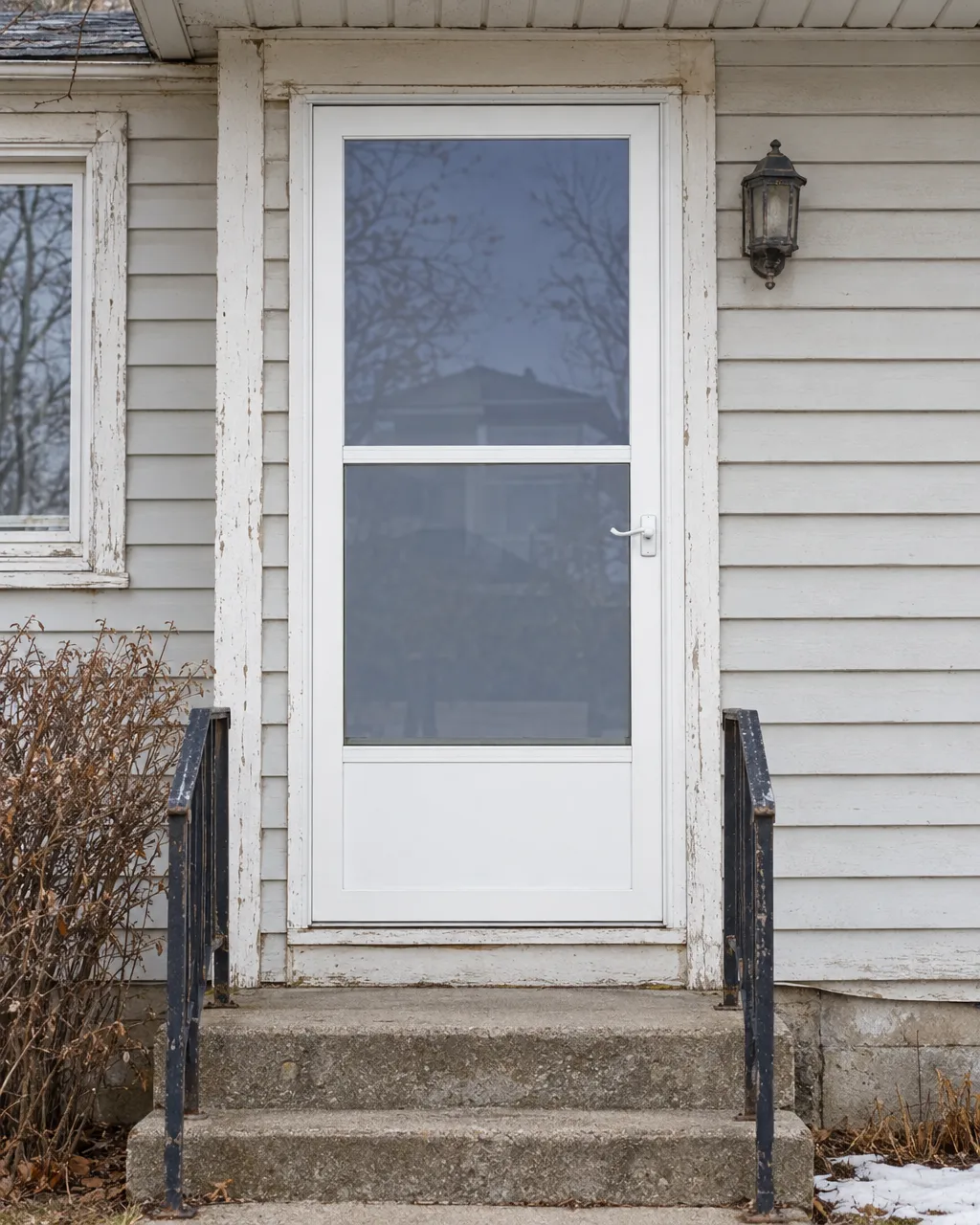
Storm Door Repair vs. Replacement: How to Know Which One You Need
Storm Door Repair vs. Replacement: How to Know Which One You Need
A storm door that isn't working the way it should is frustrating — but the fix isn't always obvious. Is it worth repairing, or is replacement the smarter move? The answer depends on what's actually wrong.
Here's a practical breakdown to help you figure out which situation you're dealing with.
When Repair May Make Sense
Some storm door problems are isolated and fixable without replacing the whole door. These tend to be hardware-level issues:
- Worn or damaged weatherstripping — Weatherstripping is generally replaceable and can restore a door's seal without a full replacement.
- A door closer that needs adjustment — If the door slams or doesn't fully close, the closer may simply need to be adjusted or replaced, which is a targeted hardware fix.
- A loose hinge — Depending on the cause, a loose hinge may be tightenable or replaceable without changing the door itself.
- A worn handle or latch — Handle hardware can often be swapped out independently.
If the problem is clearly limited to one of these components and the door itself is structurally sound, repair is worth exploring.
When Replacement Makes More Sense
Replacement tends to be the right call when the problem is bigger than a single component:
- Fit or alignment issues — If the door doesn't close squarely, sticks, or has gaps that weatherstripping can't resolve, the issue is often with how the door fits the frame. This is usually a replacement situation, not a repair one.
- Frame damage — A bent, warped, or corroded frame affects how the door operates and can't always be repaired cost-effectively.
- Original installation problems — If the door was never installed correctly to begin with, repairs to individual components won't fix the underlying issue. A proper replacement installation is the real solution.
- Glass or screen damage — Significant damage to the glass or screen panel may make replacement more practical than sourcing and fitting replacement panels, depending on the door model.
- Age and general deterioration — Storm doors have a lifespan. If the door is old and showing problems in multiple areas, replacement delivers a fresh start and a new warranty rather than patching a door that will continue to decline.
A Useful Rule of Thumb
If the fix is targeted — one component, clearly identified, and the rest of the door is sound — repair is worth considering. If the problem is structural, involves fit, or has multiple issues showing up at once, replacement is usually the more practical and cost-effective path.
What Mr. Storm Door Specializes In
Mr. Storm Door specializes in storm door replacement and professional installation. If you've determined that your storm door needs to be replaced — or if you're not sure and want a professional assessment — we make the replacement process straightforward.
Every replacement order includes:
- Your new LARSON storm door
- Delivery and all hardware
- Removal and disposal of your old door
- Professional installation
- Lifetime workmanship warranty
We serve homeowners across Ottawa and the Greater Toronto Area. Visit mrstormdoor.ca to browse available storm door models and get started.
Frequently Asked Questions
Can I replace just the glass in my storm door?
It depends on the door model. Some manufacturers offer replacement glass panels; others don't. If replacement glass isn't readily available for your door or the cost approaches the price of a new door, replacement is usually more practical.
My storm door closer is broken — is that a repair or replacement?
A door closer is a hardware component that can often be replaced independently. If the closer is the only issue and the door itself is in good shape, that's a repair situation rather than a full replacement.
How do I know if my storm door was installed correctly?
Signs of an installation problem include: the door doesn't close fully without lifting or pressing it, there are visible gaps around the frame even when closed, the door sticks or drags, or the latch doesn't align properly with the strike plate. These issues often originate from how the door was fitted to the frame, not from the door components themselves.
